Short answer
Venetian plaster in Naperville is a lime-based finish troweled on in several thin coats and then burnished, and HomeAdvisor's published range is $10 to $25 per square foot. Limewash costs less and goes on with a brush. Both need a sound, primed wall, so cracks get repaired first.
Where a troweled finish makes sense in your house
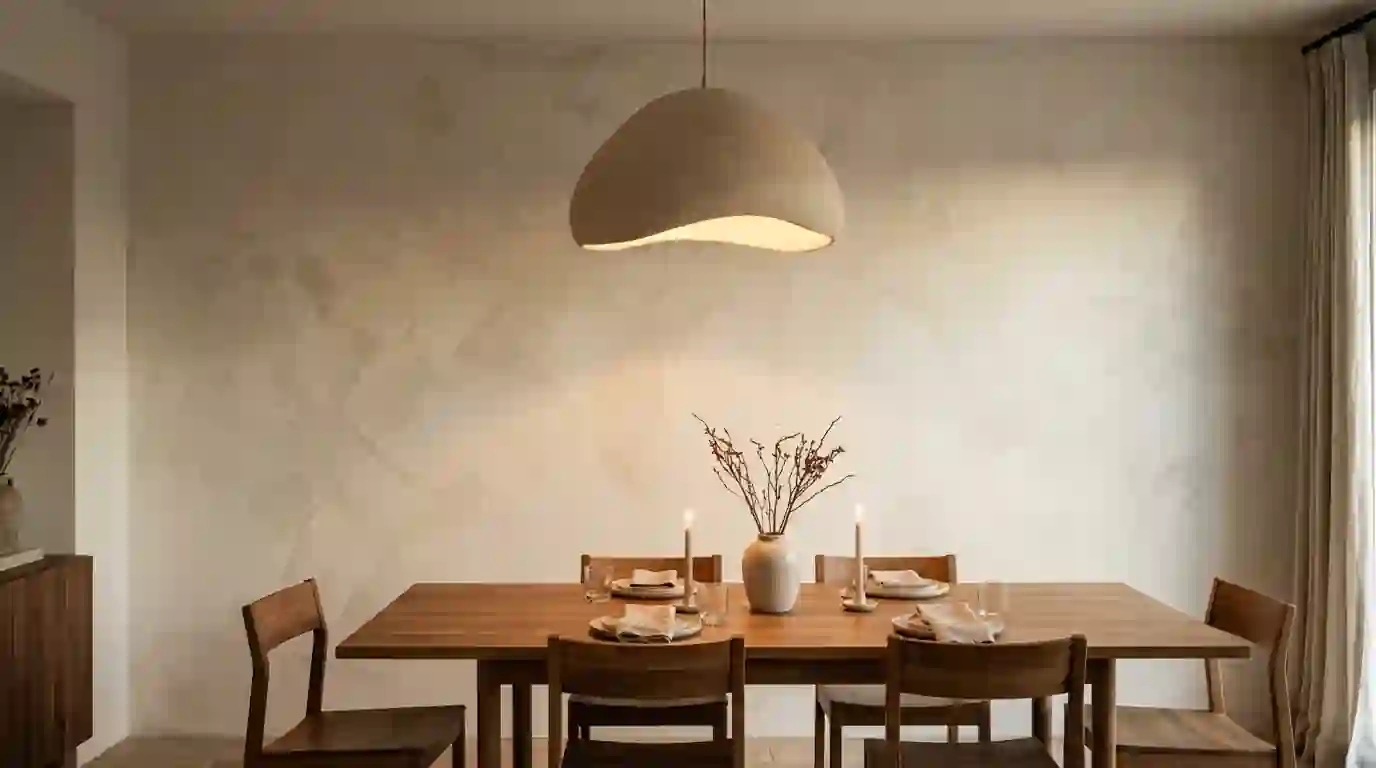
Plaster finishes earn their keep on one wall or one room people actually stop and look at: a dining room, a stair landing, the wall behind a range hood or a fireplace surround.
The finish shows everything under it, so the wall gets flattened, patched and primed with a bonding coat first. Then each thin pass is troweled, left to set and burnished before the next one goes on.
What venetian plaster & decorative finishes costs in Naperville
These are HomeAdvisor's published planning figures, not our price, and the walk-through is where your number gets set.
| Job | Typical range | Unit | Source |
|---|---|---|---|
| Venetian plaster application | $10 to $25 | per sq ft | HomeAdvisor |
| Venetian plaster application | $585 to $815 | total (normal range) | HomeAdvisor |
What moves the price
- Polished plaster versus a two-coat limewash
- How many thin coats the look needs
- Wall repairs and flattening before the base coat
- Wax or sealer on walls that get splashed
- Corners, niches and outlets to work around
Polished plaster, limewash or paint: how they differ
All three can change a room, but they wear, clean and cost differently.
| Finish | Look up close | Wiping and wear | Best spot |
|---|---|---|---|
| Polished Venetian plaster | Deep, marbled, low to high sheen | Waxed surface takes a damp cloth | Dining rooms, entries, range hood walls |
| Limewash | Soft, chalky, cloudy movement | Marks easier, touches up by brush | Bedrooms, living rooms, brick fireplaces |
| Flat or matte paint | Even, uniform color | Simple to repaint later | Whole rooms on a tighter budget |
Polished Venetian plaster
True Venetian plaster is slaked lime mixed with marble dust, applied with a steel trowel in two to four very thin coats. The first coat fills and flattens the wall. Later coats are laid in short, crossing strokes so the color builds unevenly, the way stone does. Burnishing the final pass with the trowel edge pulls up the sheen, and a coat of wax can follow on walls that get touched or splashed. The result depends on patience between coats and on how flat the wall was before anything went on.
Limewash on interior walls
Limewash is thinner and quicker than plaster. It goes on with a wide masonry brush in loose, overlapping strokes, and the cloudy pattern comes from how each pass dries. On drywall it needs a mineral primer with some tooth, because lime will not grab a slick latex wall. Two coats is typical, and the color lightens a lot as it cures, so we brush a test board and let it dry overnight before you decide. It also works on masonry; see limewashing a brick fireplace.
Accent walls
One plastered wall often does more than a whole room of it. Good candidates are the wall you face walking in, a chimney breast, a niche or a stair landing that catches side light. Corners, outlets and switch plates get planned first, since a finish this textured has to stop cleanly at an edge. We match the plaster tone to the paint on the neighboring walls so the feature reads as part of the room, not a sample. Drying time between coats, more than wall size, decides how many days the work takes.
What a plaster or limewash job covers
Unless you tell us otherwise, a decorative finish job includes these steps.
- A dried sample board in your chosen color
- Patching and flattening the wall underneath
- Bonding or mineral primer matched to the finish
- Every troweled or brushed coat the look needs
- Wax or sealer where the wall gets touched
- Masking, daily cleanup and a final walk-through
Modern farmhouse and Craftsman interiors in East Naperville
About three in four Naperville homes are owner-occupied, so a wall finish here is usually chosen by the people who will live with it for years. In East Naperville, traditional homes with large tree-dotted front yards and ranches sit beside newer modern-farmhouse and Craftsman-style builds that combine vinyl, steel and stone. Those mixed exteriors pair smooth and rough materials, and limewash or a soft plaster finish brings a similar texture to an inside wall without competing with it.
From bare wall to burnished finish
- Sample board. A test panel in your chosen tone, dried and judged in your light.
- Flatten and prime. Cracks filled, high spots sanded, bonding primer rolled over the whole wall.
- Build the coats. Thin troweled or brushed passes, each left to set before the next.
- Burnish or seal. Final pass polished with the trowel edge, wax where splashes happen.
- Clean edges. Tape pulled, outlet covers refitted, the room walked with you.
Jobs that often go with this one
Fireplace & Mantel Painting
Painted or limewashed brick, mantels
Color Consultation
Big samples on your own walls
Skim Coating & Smooth Walls
Textured walls troweled smooth
Interior Painting
Single rooms to whole-house color changes