Short answer
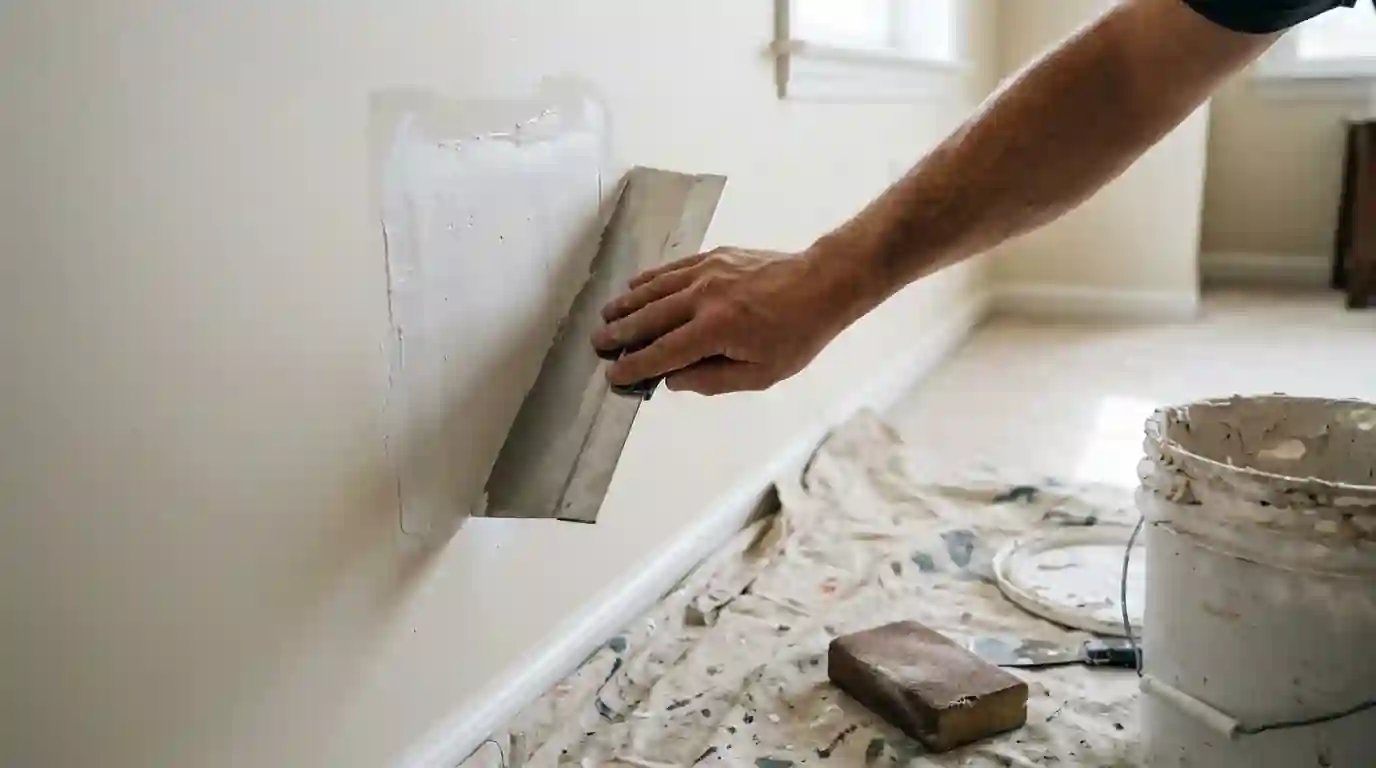
Plaster repair in Naperville's older homes usually means reattaching loose plaster to its wood lath and taping cracks, not tearing the walls out. Fixr lists $50 to $120 per square foot for plaster repair, so saving sound plaster and fixing only the failed areas keeps the scope down.
Why plaster cracks, and why it is worth saving
Plaster is hard and heavy, and the house keeps moving under it. Over decades the plaster keys behind the lath snap, so sections pull away and cracks open along the weak lines.
Sound plaster is denser and quieter than drywall, and it matches the trim and window depths of an old room. Repairing only the failed parts keeps that character without the mess of a full gut.
What plaster repair costs in Naperville
Fixr's published figure below is a national planning range rather than a price from us, and the walk-through decides your number.
| Job | Typical range | Unit | Source |
|---|---|---|---|
| Plaster repair | $50 to $120 per square foot | per sq ft | Fixr |
What moves the price
- How much plaster is loose versus just cracked
- Ceilings versus walls, and how high they are
- Skimming the whole wall or patches only
- Moving furniture and protecting old floors
- Trim and woodwork to mask and protect
Repair in place, reattach, or replace with drywall?
How far the damage goes decides which route makes sense for each wall.
| Approach | When it fits | What stays | Trade-off |
|---|---|---|---|
| Crack and spot repair | Cracks only, plaster still tight | Nearly all original plaster | Least disruption, cracks taped not filled |
| Reattach and skim | Loose or bulging areas still intact | Plaster, lath and trim | More labor, walls stay solid and quiet |
| Replace with drywall | Crumbling plaster or missing sections | Framing, and trim if careful | Most dust, new wall depth to blend |
Cracked plaster walls
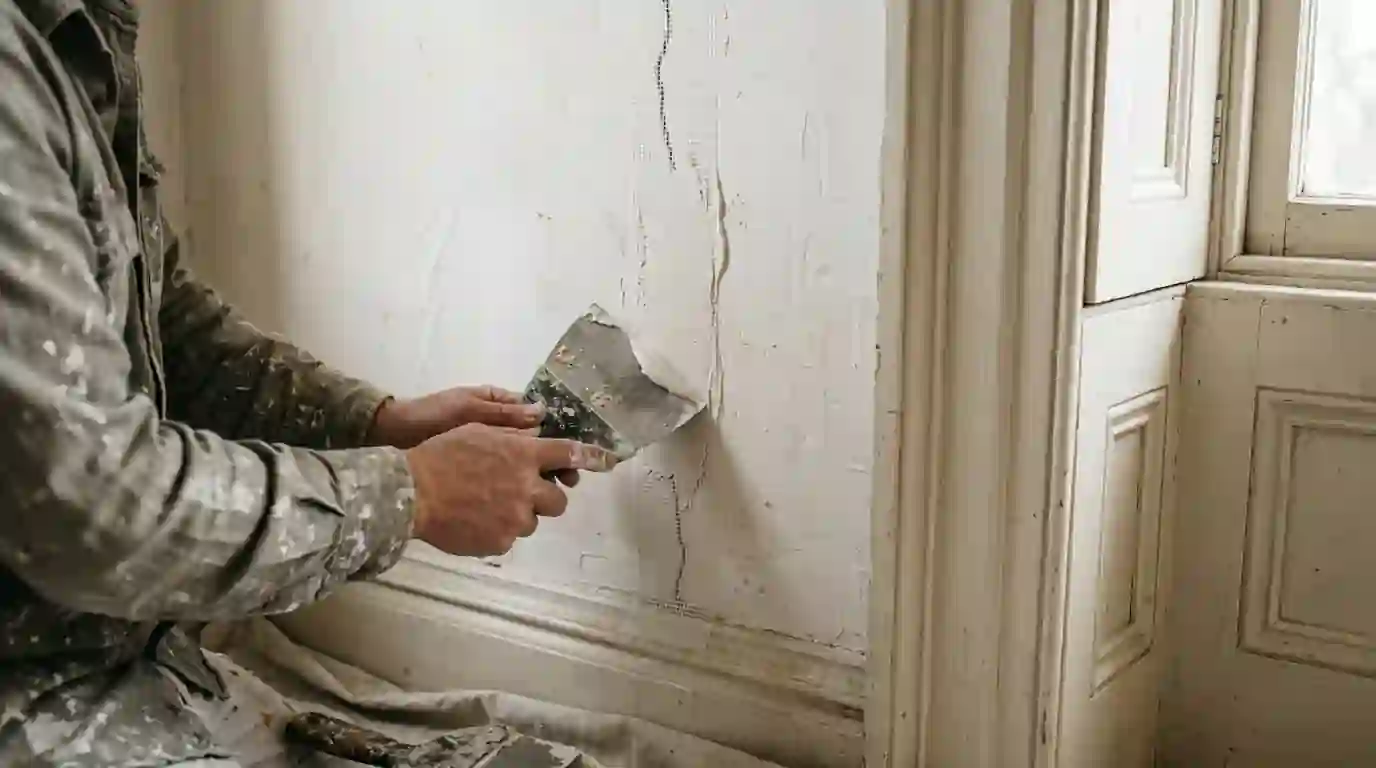
Fine spiderweb cracks are usually just the surface finish coat, and a thin skim of setting compound handles them. Longer cracks that run from a corner or across a wall follow movement in the structure behind, and spackle alone will reopen with the next season. We open them slightly, fill with a setting-type compound that cures hard like plaster, bed fiberglass mesh across the line and skim it flat. Setting compound bonds better to old plaster than premixed drywall mud, and it does not shrink back into the crack as it dries.
Loose plaster and failed keys
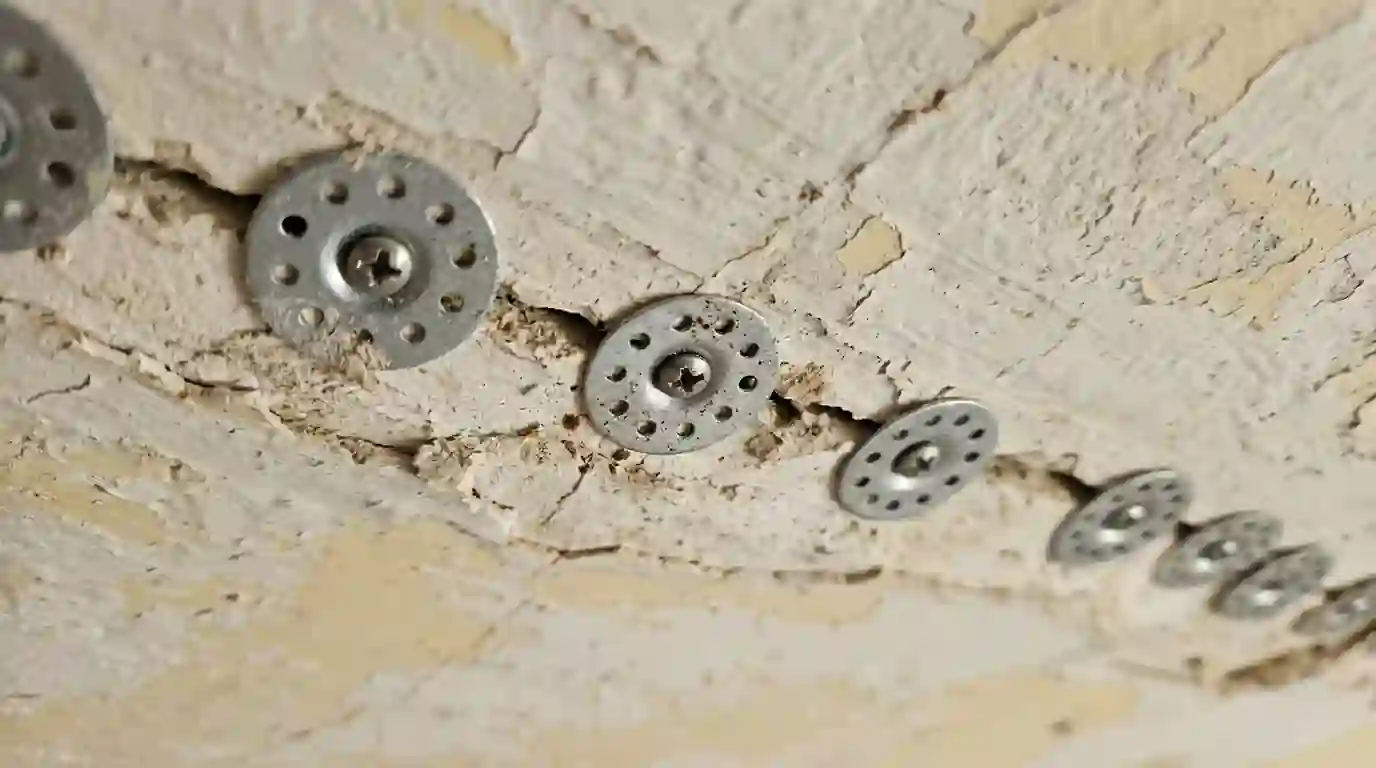
Press on a wall that has lost its keys and it flexes; tap it and it sounds hollow. The keys are the blobs of plaster that squeezed between lath boards when the wall was built, and once they break, gravity starts pulling the plaster away. We drill small holes, flush out the dust, inject a bonding adhesive and pull the plaster back tight with plaster washers. After the adhesive cures, the washers come out or get skimmed over. Areas that are crumbling rather than intact get cut out and patched to depth.
Plaster ceilings
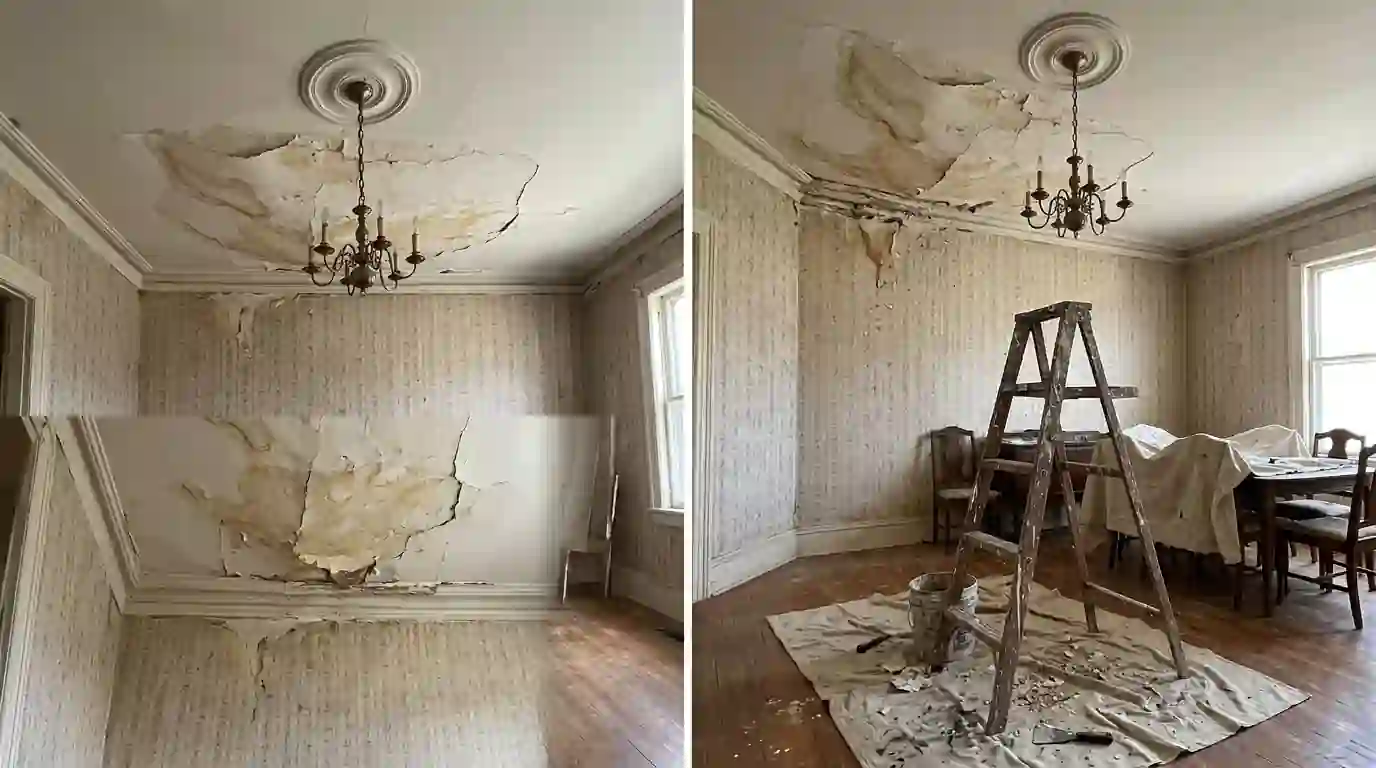
Ceilings fail first because gravity works against them every day, and a sagging section over a bed or table is not something to leave. We support the area while working, reattach what is still in one piece with adhesive and washers, and cut out anything that has turned to powder. Patches get a base coat and a finish skim so the ceiling reads as one flat plane again. Ceiling cracks that follow the old lath lines often return if they are only filled, so they are taped along their full length before paint.
Plaster walls in the Naperville Historic District and Downers Grove
The city's historic district, set up in 1986, takes in roughly 320 properties, 253 of them homes, and the federal district, first drawn around buildings from 1927 and earlier, now counts about 492 contributing buildings. Older houses like these were typically plastered over wood lath, which is exactly the kind of wall this repair is meant for. Nearby Downers Grove has homes near its center dating to the mid-1800s, 68 confirmed Sears kit homes and one of the area's highest teardown rates, which makes saving original walls in the houses that remain worth the effort.
How we bring old plaster back
- Tap and mark. Hollow, cracked and bulging areas found by hand and marked in pencil.
- Reattach. Adhesive injected behind loose plaster, then washers pull it tight.
- Fill and tape. Setting compound and mesh across cracks, failed spots cut out and patched.
- Skim. A finish coat troweled over repairs so the wall reads flat again.
- Prime and paint. Repairs sealed, then the whole wall painted corner to corner.
Signs your plaster is coming loose
- Hollow sound when tappedKnuckle taps sound dull and empty instead of solid over a patch of wall.
- Wall flexes under your handPlaster moves when pressed, which means the keys behind it have snapped.
- Cracks that reopenThe same line comes back after filling, often with each change of season.
- Bulges or a sagging ceilingA section bowing out or down, sometimes with a crack around its edge.
- Grit along the baseboardsFine plaster dust collecting on the floor from crumbling keys behind the wall.
Jobs that often go with this one
Skim Coating & Smooth Walls
Textured walls troweled smooth
Drywall Repair
Holes, nail pops and cracks
Interior Painting
Single rooms to whole-house color changes
Water Stain & Ceiling Stain Repair
Leak and smoke stains sealed