Short answer
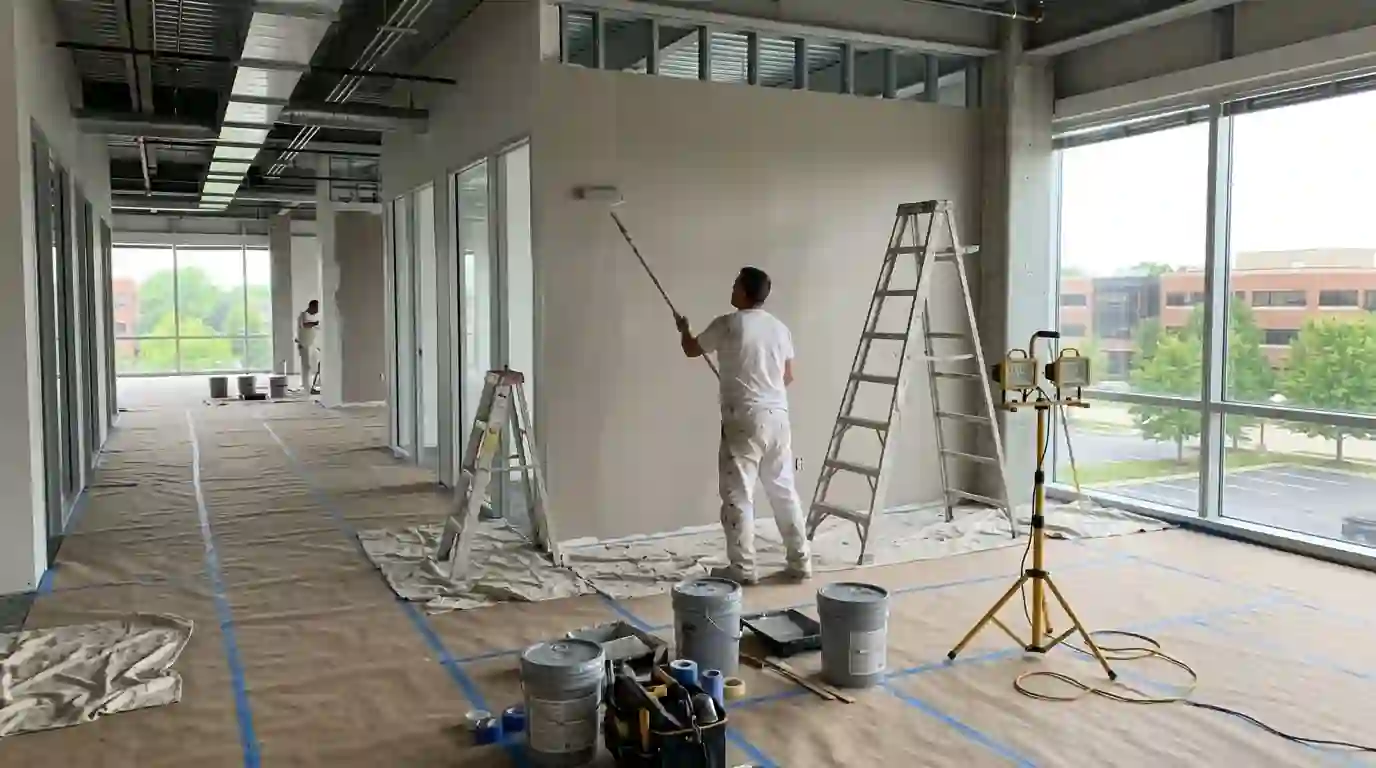
New construction painting in Naperville starts with a drywall primer, because bare paper and joint compound absorb paint at different rates and the seams flash through otherwise. Fixr's published figures for a 2,500 square foot home run $7,000 to $9,500 for the interior and $5,000 to $11,000 for the exterior.
Why new walls need different prep than old ones
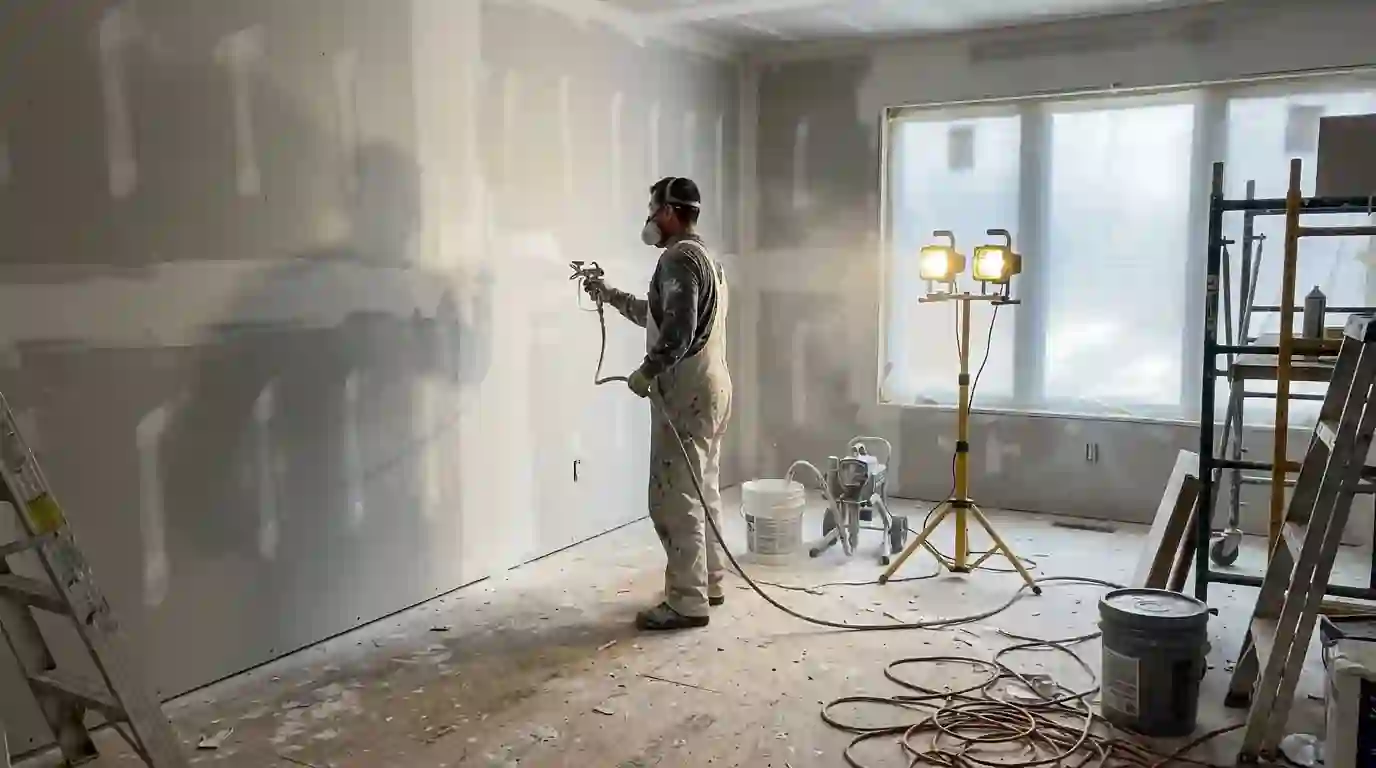
New drywall has never been painted, so the paper face and taped joints soak up coating at different rates. Without the right primer, joints show as dull stripes in side light, a defect called flashing.
We also look for what finishers leave behind: sanding scratches, ridges at joints and missed screw heads. Those are far easier to fix before paint than after the room is done.
Published new construction painting figures
Fixr publishes these planning figures for a 2,500 square foot home, and they are not our quote.
| Job | Typical range | Unit | Source |
|---|---|---|---|
| New construction interior painting (2,500 sq.ft. home) | $7,000 to $9,500 | total | Fixr |
| New construction exterior painting (2,500 sq.ft. home) | $5,000 to $11,000 | total | Fixr |
What moves the price
- Square footage of walls and ceilings
- Sprayed versus brushed and rolled finish
- Number of colors and accent walls
- Trim, doors and stair parts included
- Drywall flaws to fix before finish coats
New drywall prime and paint
New drywall gets a primer made for raw board and joint compound, which evens out absorption so the finish coats dry to one consistent sheen. After priming, we sweep each wall with a work light at a low angle, mark ridges, pits and sanding scratches, and fix them before the first finish coat. Ceilings usually go flat white, walls eggshell or matte, and trim and doors semi-gloss. On new homes and large remodels, walls and ceilings are often sprayed and back-rolled, which is fast and leaves an even texture.
Additions
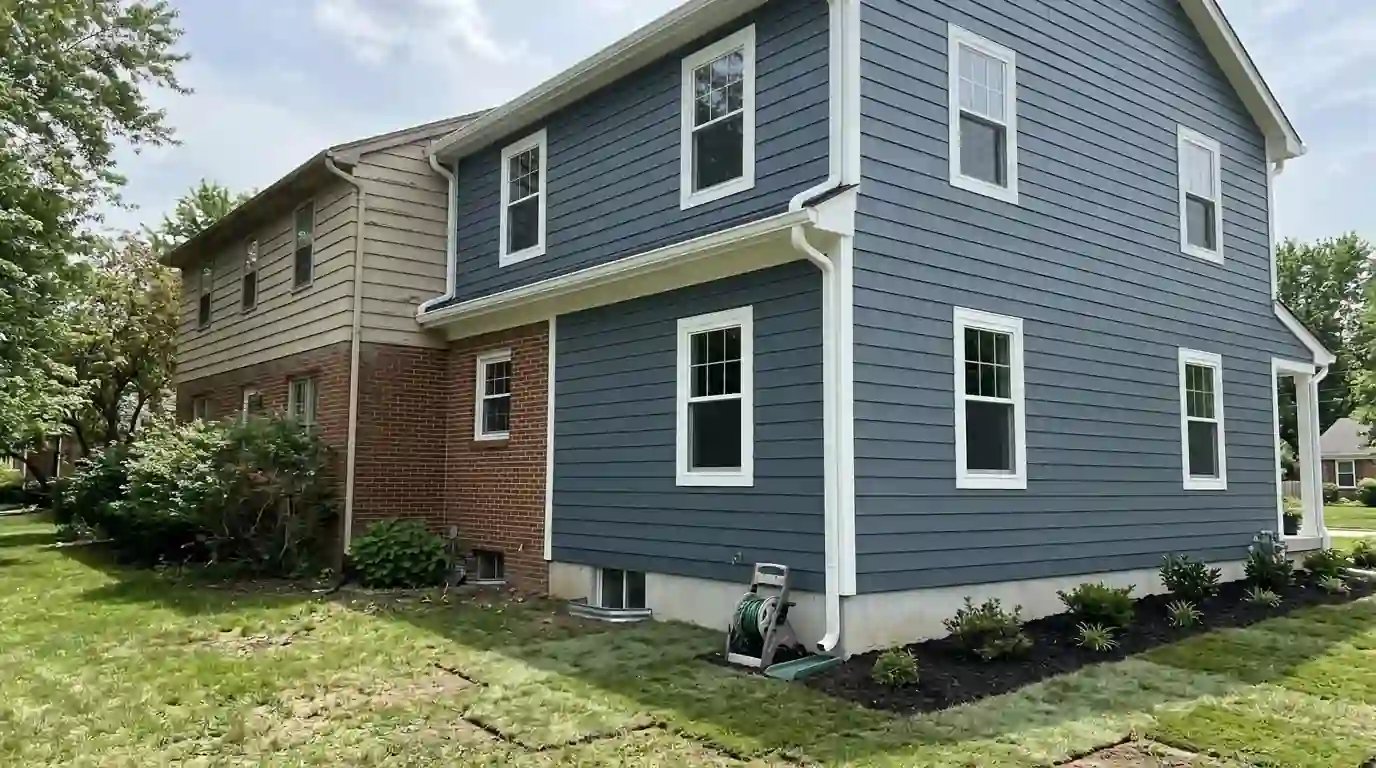
An addition has to look like it was always part of the house. Inside, that means matching the existing wall colors and sheens, often by testing a sample against the old paint, since the original color may have faded. Outside, new siding and trim are primed and painted to match, and sometimes the old side is repainted too so both age together. We schedule around the builder, painting after drywall and trim are in and before flooring, light fixtures and the final clean, so nothing new gets spattered.
Basement finishes
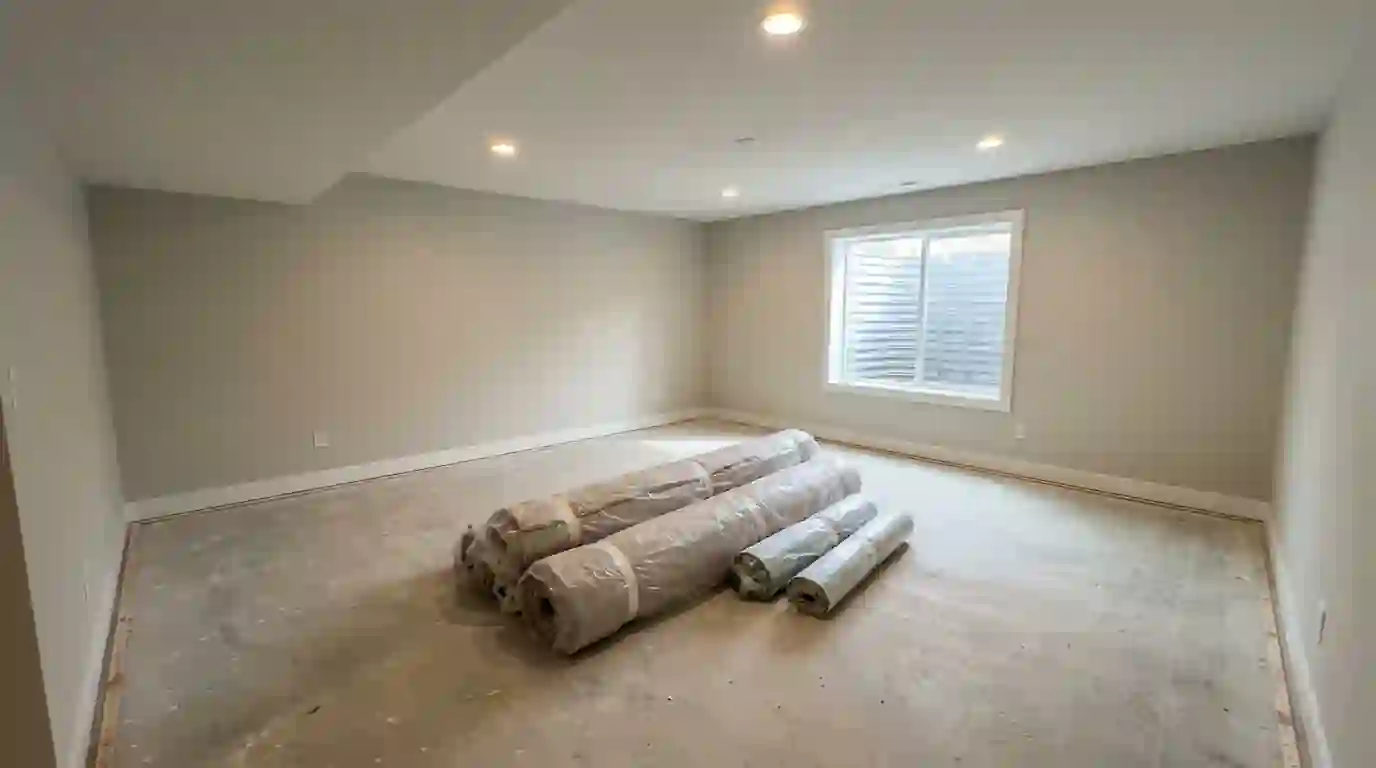
Finished basements combine new drywall with low ceilings, soffits around ducts and beams, and little natural light, so flaws in the finish show under recessed lights. We prime and inspect with that lighting in mind, and use a washable eggshell or satin on walls that will take traffic from kids, pets and storage. Ceilings often get a flat paint chosen to hide small imperfections. If part of the space stays bare concrete or block, those walls need a masonry primer, the same approach used in painting block basement walls.
What new construction painting includes
Unless the builder's schedule calls for something else, the scope covers:
- Masking windows, floors and installed fixtures
- Drywall primer on all new surfaces
- Fixing finishing flaws found after priming
- Two finish coats on walls and ceilings
- Caulking and enamel on trim and doors
- A touch-up visit after other trades finish
Naperville's growth years and the newer North Naperville townhouses
Naperville grew from 12,933 people in 1960 to 85,351 in 1990 and 128,358 in 2000, ranking among the nation's ten fastest-growing communities during the 1990s. Much of the housing from those decades is now at the age for additions and basement finishes. Building has not stopped, either. In North Naperville, townhouses are mostly late-2010s builds, and the two-bedroom condos around them range from the early 1980s into the 2000s, so one part of town holds nearly new walls beside walls that have seen decades of paint.
Where painting fits in a new build or remodel
- Coordinate. Painting slotted after drywall and trim, before floors and fixtures.
- Inspect the drywall. Work light check for ridges, scratches and missed screw heads.
- Prime. Drywall primer sprayed or rolled on all new board and mud.
- Finish coats. Two coats on walls and ceilings, enamel on trim and doors.
- Final touch-up. After the other trades finish, dings and marks are touched up.
How long the space is off-limits
Priming and painting a new addition or basement usually takes several days, and the area should stay clear of other trades until the final coat has dried.
Jobs that often go with this one
Drywall Repair
Holes, nail pops and cracks
Interior Painting
Single rooms to whole-house color changes
Basement Painting
Drywall, block walls, open joists
Trim, Baseboard & Door Painting
Hard-wearing enamel on trim and doors