Short answer
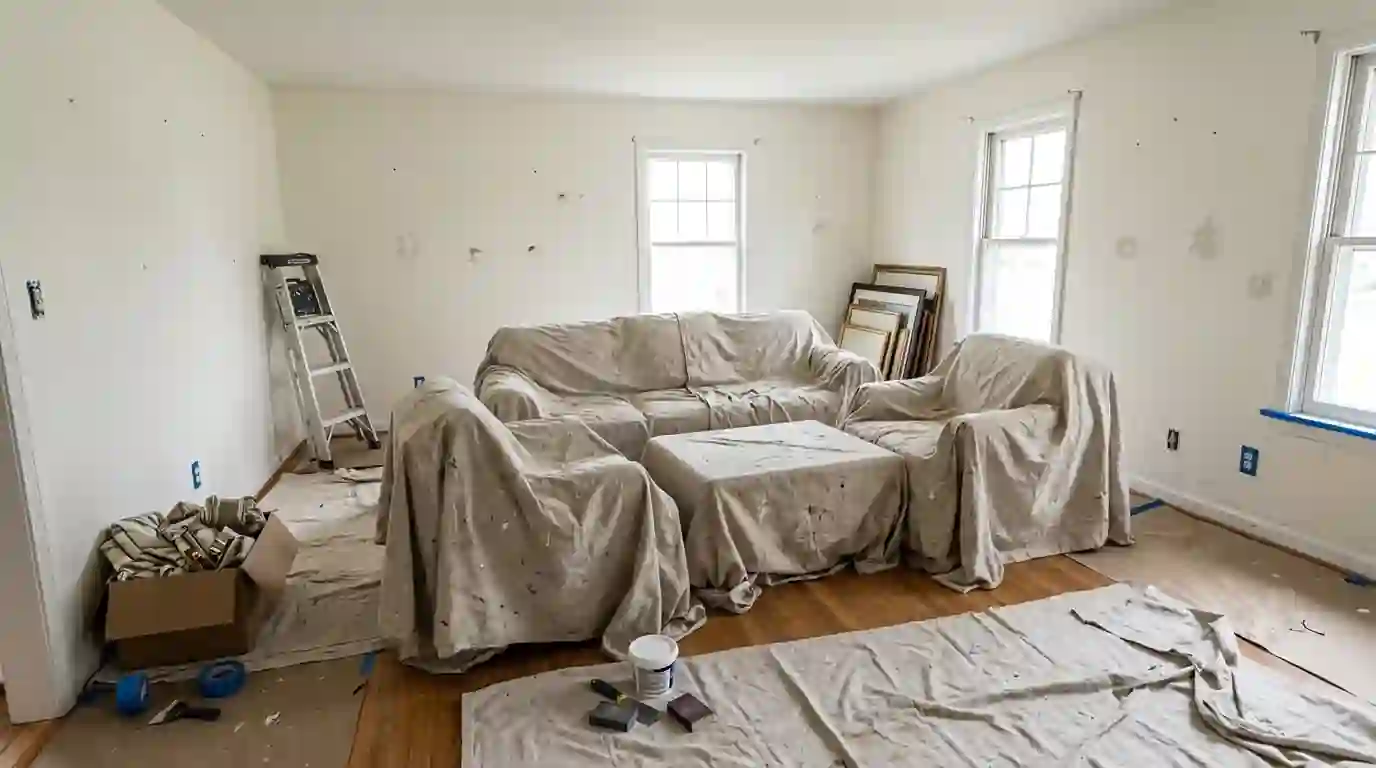
Settle colors and sheens, clear small items and wall hangings, and leave heavy furniture for the painters to move and cover. Outside, trim shrubs back, move grills and patio furniture, and turn off sprinklers. For exterior work, temperature rules: Benjamin Moore lists 40°F as the floor for its Aura Exterior satin, for both air and surface.
Decisions to settle before the first day
A frequent cause of delay on a paint job is a decision nobody made. Before the start date, settle the color for every wall, ceiling and trim surface, and the sheen for each. Write it down by room. If you are torn between two colors, put up large samples and look at them morning and evening for a few days.
Also decide what is in and what is out: closets, the inside faces of doors, the garage, the basement stairs. Agree on how small repairs will be handled, and walk the house with your painter to point out cracks, stains and nail pops so nothing comes as a surprise. If a whole-house color plan is stuck, a session with large painted samples usually gets it moving.
Settle the schedule too. Agree on start and finish times each day, where the crew can park, which bathroom they can use and where tools and paint can be stored overnight. If you live in an HOA community, check whether exterior colors need approval first, and keep the letter handy for the start date.
Inside: what to move and what to leave
- Take down pictures, mirrors, curtains and rods, and keep the hardware in labeled bags.
- Clear shelves, mantels, dressers and nightstands of small items.
- Pack breakables and electronics into a room that is not being painted.
- Leave beds, sofas and dressers in place; painters shift them to the center and cover them.
- Clear a walking path to each wall.
Bathrooms need a quick clear-out of counters and shower caddies. In kitchens, move small appliances off counters next to the walls being painted. If you are having interior rooms repainted while you live there, pick one room as a staging area for everything that came off the walls, and keep it out of the work plan.
Do not remove outlet covers, switch plates or thermostats yourself unless you have agreed to. Painters usually take those off as part of the job so they can paint behind them and put the right screws back. Wall-mounted TVs are a different case: ask whether yours will be taken down by the crew or by you before the start date.
Take photos of how shelves, frames and furniture were arranged before anything moves. It makes putting rooms back together much faster, and it settles any questions about where a piece of art used to hang.
Kids, pets and working from home on paint days
Painting days are busy, with doors propped open, ladders up and drop cloths on the floor. Keep pets in a closed room away from the work, or out of the house, and tell the crew where they are. Small children are safest elsewhere while ladders are standing.
If you work from home, pick a room that will be painted last or not at all, and mention any calls you cannot move. Fresh paint smell fades with windows open and fans running, but anyone sensitive to odors may prefer to be out during the day.
Let the painters know about anything that will interrupt the day: deliveries, cleaners, contractors or a dog walker who comes at noon. Share a door code or arrange a key if nobody will be home when the crew arrives.
Outside: clearing the way around the house
- Turn off lawn sprinklers that reach the walls for the length of the job.
- Cut back shrubs and branches touching the siding.
- Move grills, planters, hoses, patio furniture and decorations away from the walls.
- Leave the garage reachable if the garage door or its trim is on the list.
- Park cars away from the side of the driveway being painted.
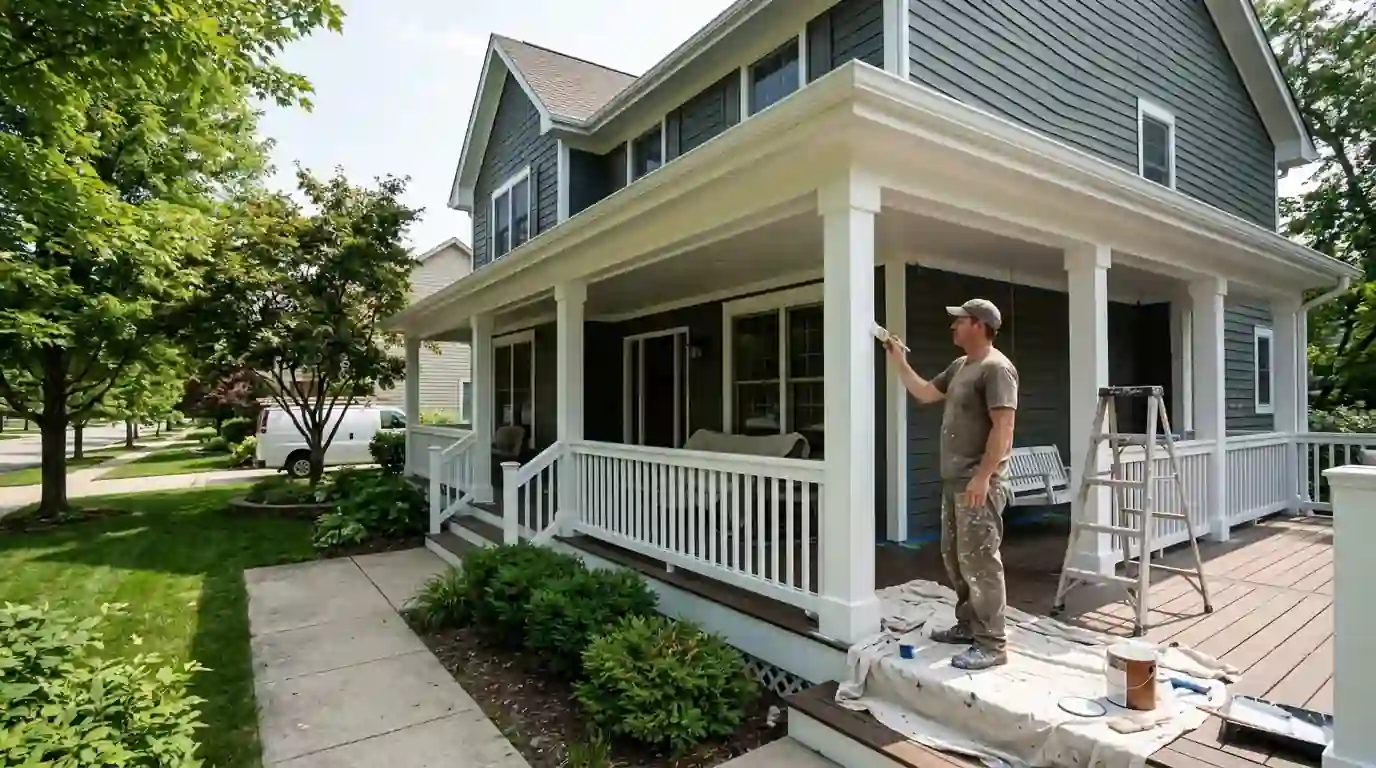
Exterior work depends on the weather as well. April nights at O'Hare average just 40.3°F by the Weather Service's count, and Benjamin Moore's Aura sheet notes that cool, humid conditions stretch dry and recoat times. Expect a rain day or two to shift the schedule, and keep the yard clear until the last coat is on. Our page on painting the outside of the house covers the rest.
Close windows on the side of the house being washed or painted, and take down window screens if the trim around them is on the list. Let neighbors know about ladders near the property line, and check that the hose spigots work, since washing and cleanup both need water.
Call any hour to set a start date and a walk-through, and we will go over exactly what to move.
Call (630) 760-2729One more question for houses built before 1978
If your home predates 1978, ask your painter how old paint will be handled before the start date. Under EPA's Renovation, Repair and Painting rule, pre-1978 homes get special treatment: a firm paid to disturb painted surfaces there needs EPA certification and trained workers on the job.
That changes how rooms are sealed and cleaned, so it also changes what you need to move out beforehand. The lead paint questions guide lists what to ask, and it is worth reading before you sign anything.
The last day: walking the job and keeping the leftovers
Before the crew packs up, walk every room or wall with them in good light. Look at cut lines along ceilings, the edges of trim and the spots behind doors. Point out anything that needs a touch-up while the paint and the people are still there.
Ask for the leftover paint, labeled by room and surface, and keep a written list of products, colors and sheens. Store the cans indoors where they will not freeze. Those leftovers make the next scuff a quick fix instead of a color-matching project.
Give fresh paint time before putting heavy things back against it. Furniture can go back once the walls are dry to the touch, but leave a little space behind headboards and sofas for a few days, and hang pictures gently. Fresh paint stays soft for a while, so scrubbing should wait a few weeks.
Services this guide relates to
Interior Painting
Single rooms to whole-house color changes
Exterior House Painting
Scrape, caulk, prime, two coats
Color Consultation
Big samples on your own walls
Drywall Repair
Holes, nail pops and cracks
Sources: media.benjaminmoore.com, weather.gov, epa.gov.